UF Institute of Food and Agricultural Sciences logo
Give      University of Florida
Resources
    Toggle Search Form
    GIVE UNIVERSITY OF FLORIDA
    • HOME
    • About Us
          • About Us
          • Contact
          • People
          • Seminars & Events
          • Department Forms & Resources
        •  
    • Research
          • Research Labs
          • Research Publications
        •  
    • Undergraduate
          • On Campus
          • Online
        •  
    • Master's & Graduate Certificates
          • M.S. Medical Microbiology and Biochemistry
          • M.S. Microbiome in Health and Disease
          • Medical Microbiology Certificate
          • Microbiome and Health Certificate
          • Clinical Laboratory Microbiologist Certificate
          • Environmental Microbiology Certificate
          • Non-Degree Graduate Courses
        •  
    • Doctoral
          • On Campus Ph.D.
          • Distance Ph.D.
        •  
    • Student Resources & Advising
          • Academic Advising
          • Admission Requirements
          • Registration
          • Tuition
          • Program ROI
          • Critical Dates & Deadlines
          • Course Catalog
          • FAQs
        •  
    • Apply

    Microbiology & Cell Science

    Microbiology & Cell Science

    Averesch Lab


    Microbial Biotechnology for Space & Earth

    Averesch Lab


    Microbial Biotechnology for Space & Earth

    Microbes as Manufacturers, from Earth to Mars

    What if the plastics a mission needs could be grown from carbon dioxide and waste instead of launched from Earth?

    The Averesch Lab uses synthetic biology to push the limits of microbial metabolism. We engineer microbes that convert single-carbon compounds and waste-derived feedstocks into useful products, including advanced bioplastics, to support sustainable manufacturing on Earth and closed-loop production for long-duration space missions.

    By designing new-to-nature pathways and pairing genetic engineering with adaptive laboratory evolution, we build microbial cell factories that assimilate carbon more efficiently. We also chart the boundaries of microbial carbon and energy metabolism to ask what life could look like in environments that don’t exist on Earth.

    AT A GLANCE

    PRINCIPAL INVESTIGATOR
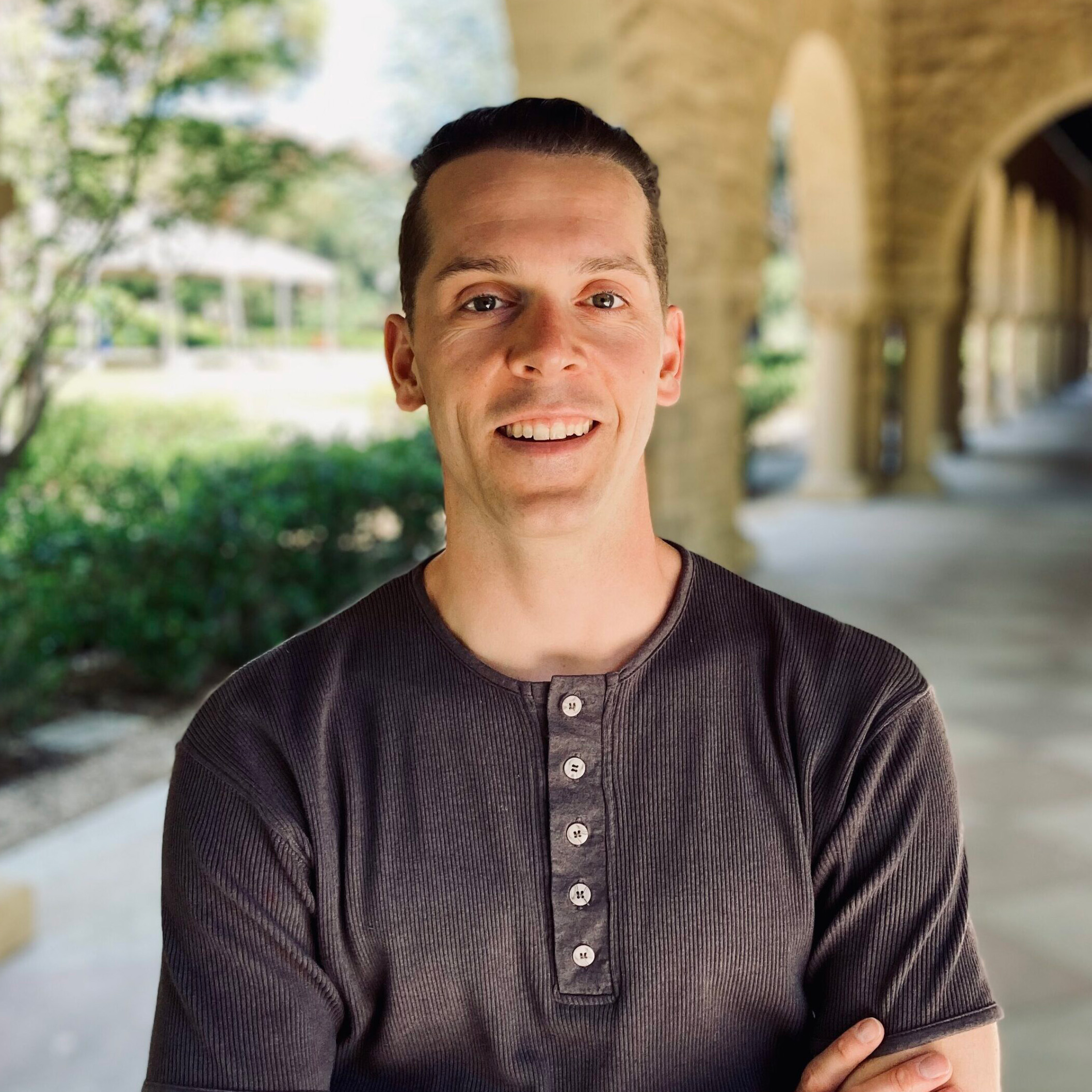
    Nils Averesch

    ORGANISMS
    Engineered bacterial cell factories

    APPROACHES
    Synthetic biology, metabolic engineering, adaptive laboratory evolution, systems biology

    LOCATION
    Space Life Science Laboratory, Cape Canaveral

    ACCEPTING NEW STUDENTS
    N/A


    Projects


    Biopolyesters for In Situ Manufacturing:

    By engineering how microbes build natural polyesters, we tune the molecular makeup of these polymers to meet or exceed the performance of synthetic plastics. Producing them from waste-derived feedstocks supports a circular manufacturing economy on Earth and in space.

    Efficient Carbon Assimilation

    We design new pathways for using single-carbon compounds and combine genetic engineering with adaptive laboratory evolution. The result is microbial cell factories that make better use of their substrates, as platforms for industrial biotechnology.

    The Limits of Microbial Metabolism

    Using systems and synthetic biology, we ask what life could look like in ecological niches beyond Earth. We focus on alternative routes of carbon assimilation and cycling under extraterrestrial constraints.


    Featured Research

    • A research roadmap for assessing the feasibility of warming Mars

      This roadmap outlines research pathways to determine whether Mars could be warmed with non-biological methods. It does not presuppose that warming Mars is desirable; its purpose is to identify what would need to be true for Mars to be warmed, what it would cost, and what could go wrong. Three complementary research tracks appear promising. Solid-state greenhouse membranes offer local warming, aiding water harvesting, food production, and oxygen supply near human bases. Orbiting reflectors can warm key sites such as bases and CO2-ice reservoirs, although a large combined area would be required. Strengthening Mars’ natural greenhouse effect might warm large regions or the globe, although many aspects remain to be worked out. Each approach carries scientific and technical risks that research must address. Near-term priorities are on-Earth testing of key parameters that will determine whether engineered aerosol warming is realistically possible, assessing whether exponential production of bioplastic habitats is possible, and designing at-Mars process experiments. In the near term, the research proposed here is closely aligned with and supports research needed to understand Mars’ atmosphere and volatile evolution and hazards to human explorers. The main external uncertainty is whether or not launch costs continue to fall. This is early-stage research, and we discuss key near-term decision points, alternative pathways, and payoffs if research outcomes are negative. We also outline build-out pathways if research succeeds and demand exists. Relatively modest research investments would keep open the option of extending life beyond Earth as Mars’ scientific exploration continues.

      Read the full publication

    • Explore Research From Nils Averesch

      Nils Averesch on Google Scholar


    Lab Members

    Nils Averesch, Ph.D.

    Nils Averesch, Ph.D.

    Assistent Professor


    Dr. Sulogna Chatterjee

    Dr. Sulogna Chatterjee

    Postdoctoral Scholar


    Dr. Wim Hectors

    Dr. Wim Hectors

    Postdoctoral Scholar


    Jackson Bland

    Jackson Bland

    Ph.D. Student


    Allison Gao

    Allison Gao

    Ph.D. Student


    Tryanni Chiaravalloti

    Tryanni Chiaravalloti

    Ph.D. Student


    Swati Dubey

    Swati Dubey

    Ph.D. Student


    Karissa Greene

    Karissa Greene

    Ph.D. Student


    Tom Quinlan

    Tom Quinlan

    OPS Staff


    University of Florida Logo
    Contact

    Feedback
    Microbiology & Cell Science Department
    1355 Museum Dr. Gainesville, FL, 32611 Building 981 P.O. Box 110700 Gainesville, FL 32611-0180
    (352) 392-1906

    Land Grant Mission
    • Teaching
    • Research
    • Extension
    Information
    • Ask IFAS (EDIS)
    • UF/IFAS Experts
    • UF/IFAS Blogs
    • UF/IFAS Bookstore
    • Careers
    Policy
    • Accessible UF
    • EEO Statement
    • IFAS Web Policy
    • SSN & UF Privacy
    • Analytics (Google Privacy)

    © 2025 University of Florida, IFAS Last Modified:Wed, 18 Nov 2026 15:01:12 EST